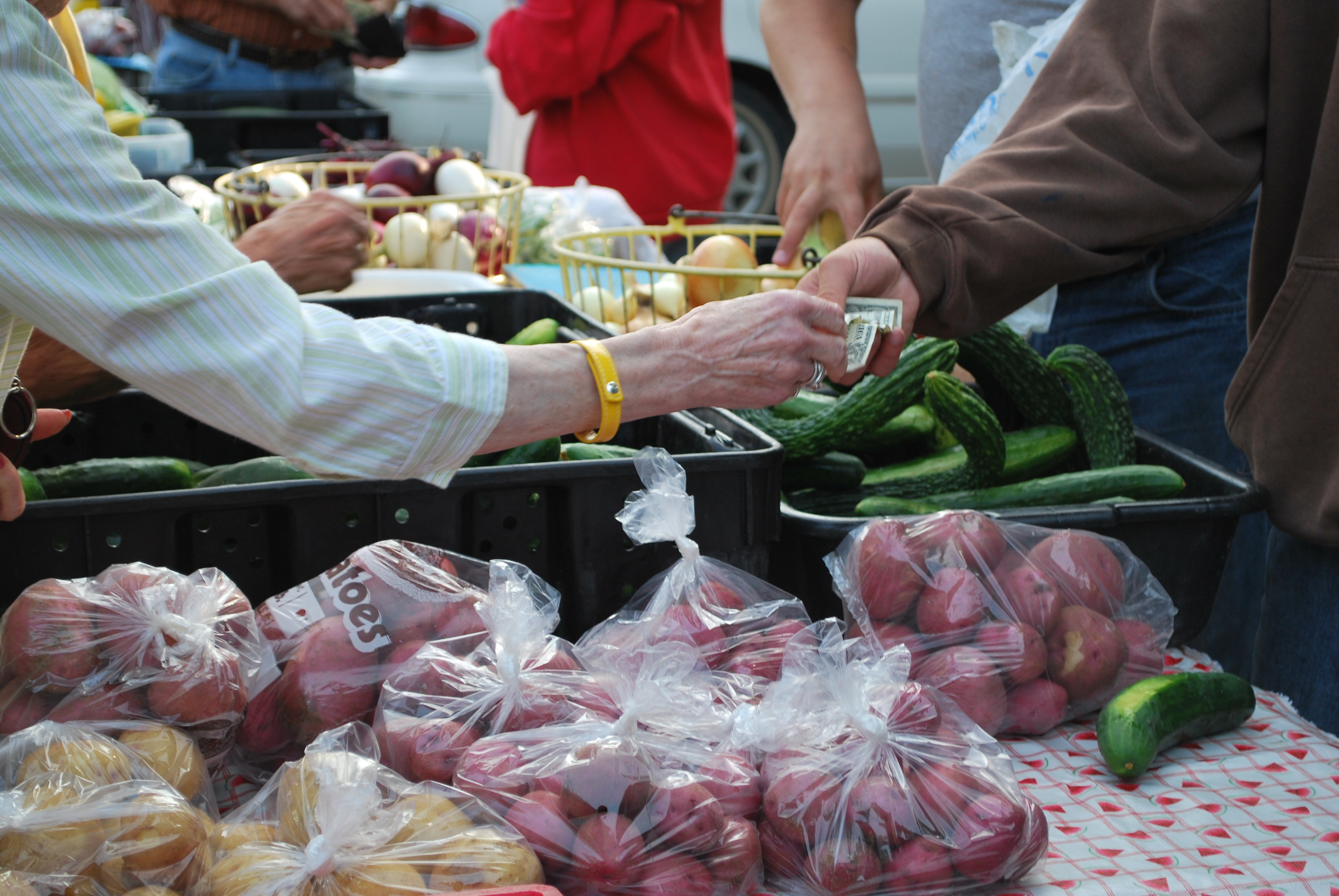

By Lisa Everhart Myers, Demeter Farm March was an unusual month at Demeter Farm. It was a month filled with farming convention visits, spring snow storms, and, the very best part, an Indiana Class 1A boys’ basketball championship for my alma mater, the Morristown High School Yellow Jackets. For those of you who don’t know … Read More
Blog
What Can Farmers Do About Climate Change? Weed Control and Herbicides
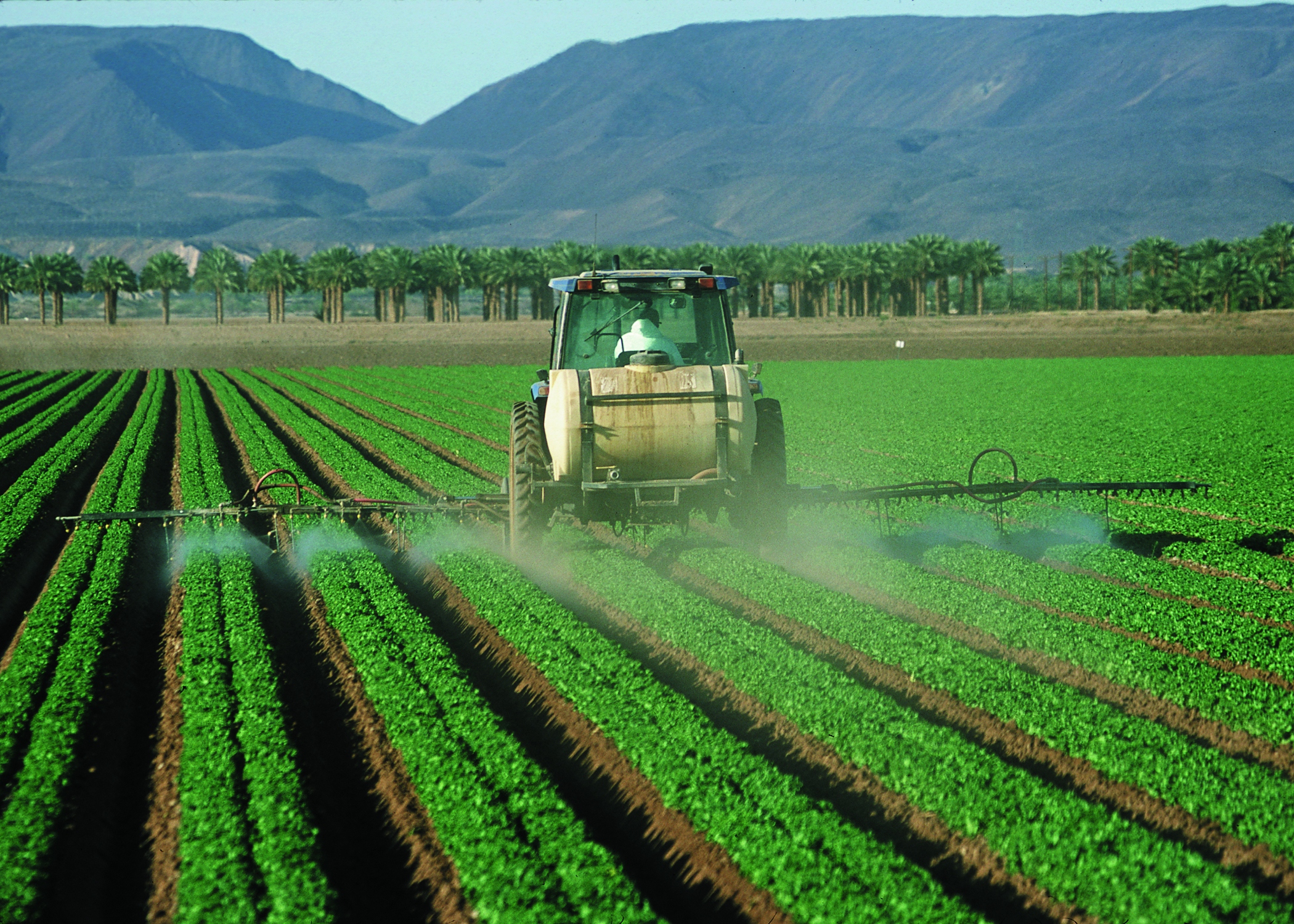
By Janan Lenzy, NFU Intern Previously on the Climate Column, we have discussed how troublesome weeds can be for agricultural operations, particularly as the climate continues to change. Although tillage can be an effective method of weed control, there are substantial drawbacks that may dissuade some farmers from implementation. One possible alternative to tillage is … Read More
Access to Efficiency: Managing a Farm Crew
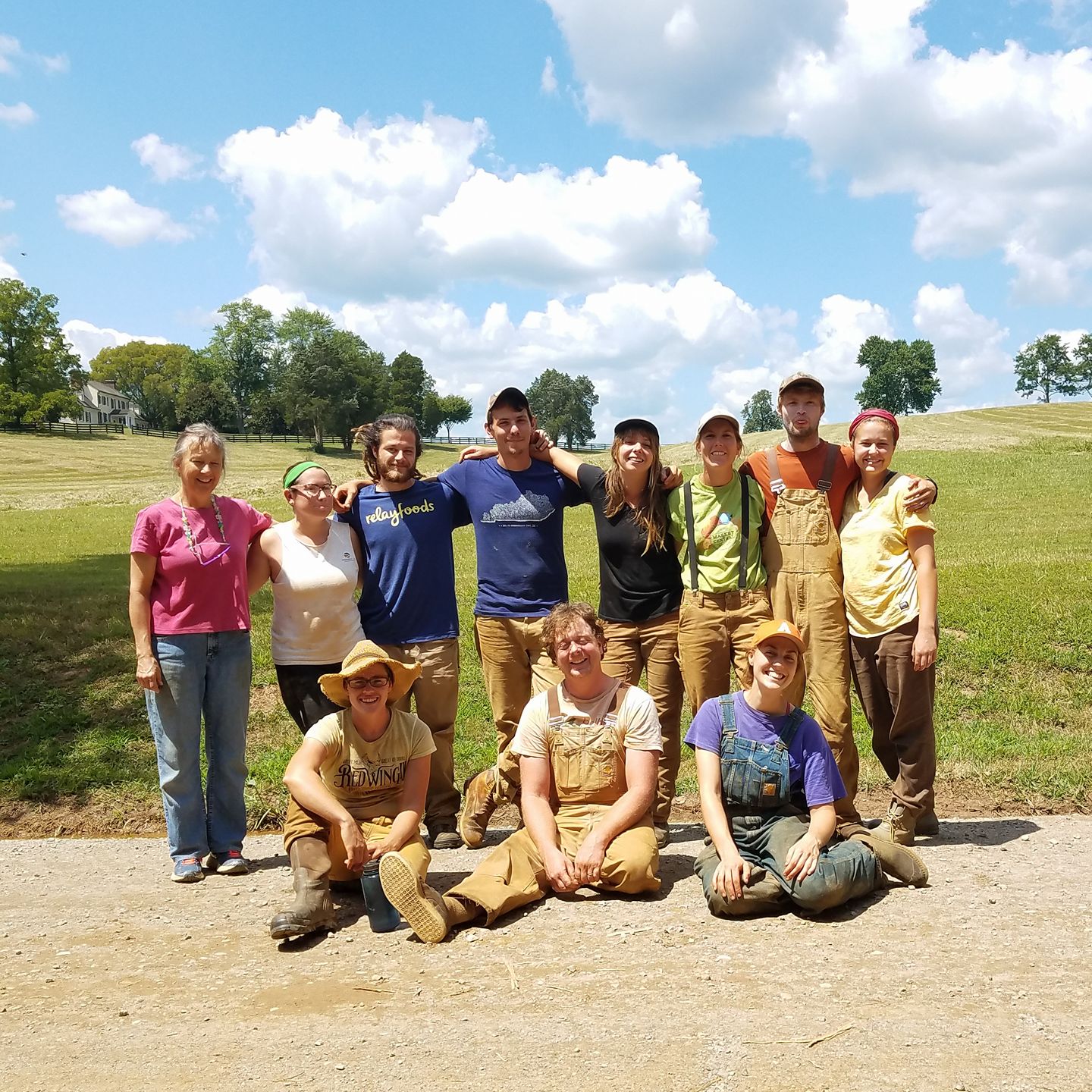
By Michelle McKenzie, Co-Manager of Bellair Farm Farming for a season is hard work. Leading a crew all the way through a season and knowing you will do it all again next year is even harder work! Keeping your crew’s trust and respect is the best way to get through it all successfully. I’ve been co-managing … Read More
What Can Farmers Do About Climate Change? Weed Control & Tillage
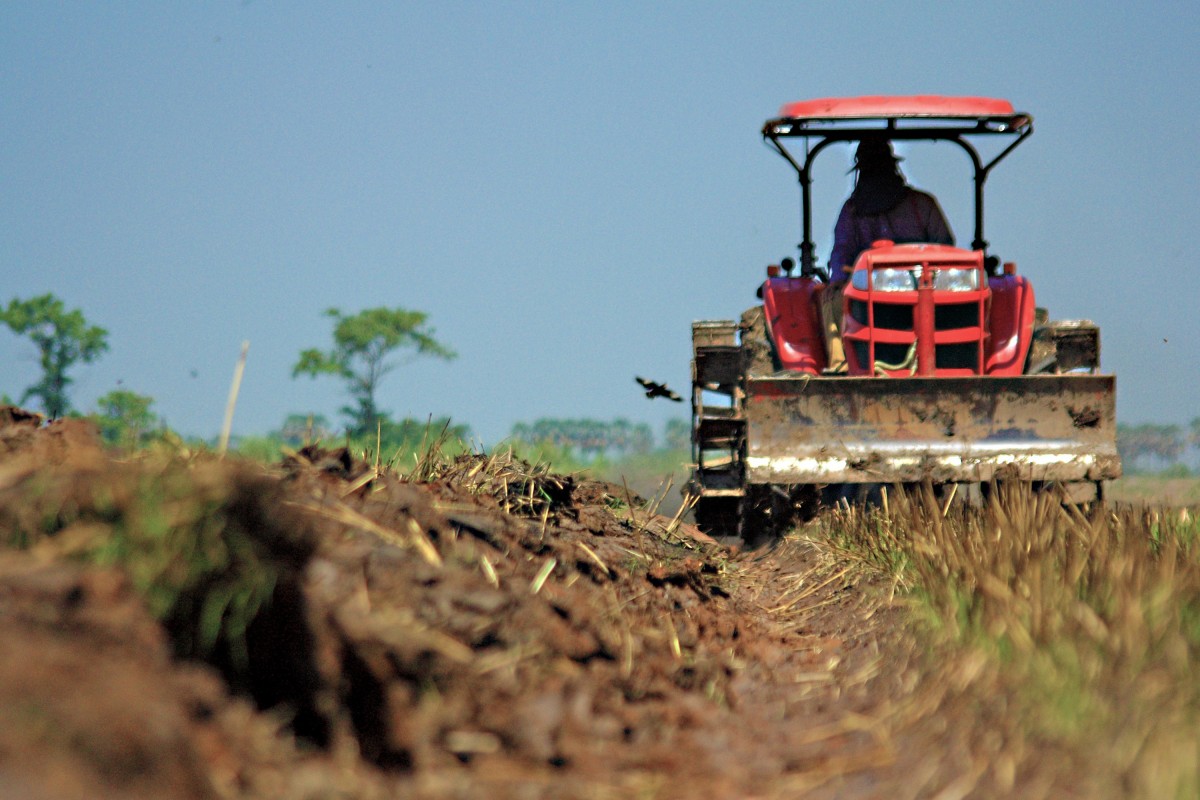
By Janan Lenzy, NFU Intern Climate change been the cause, both directly and indirectly, of various challenges for agricultural producers. This list includes extreme droughts and floods, irregular growing seasons, animal and crop disease transmission, and pest migration. Another seemingly perpetual issue exacerbated by climate change is weed growth. Weeds are invasive plant species genetically … Read More
What Can Farmers Do About Climate Change? Weed Control & Tillage
By Janan Lenzy, NFU Intern Climate change been the cause, both directly and indirectly, of various challenges for agricultural producers. This list includes extreme droughts and floods, irregular growing seasons, animal and crop disease transmission, and pest migration. Another seemingly perpetual issue exacerbated by climate change is weed growth. Weeds are invasive plant species genetically … Read More
Access to Efficiency: EQIP & the Farm Bill
By Nate Brownlee, Co-Owner and Operator of Nightfall Farm Here at Nightfall Farm, Liz and I are committed to farm in ways that conserve our natural resources, having rooted our business in the model of the triple bottom line—environmental, social, and financial. When I think back to the first season of our farm, I recall … Read More
Access to Efficiency: EQIP & the Farm Bill
By Nate Brownlee, Co-Owner and Operator of Nightfall Farm Here at Nightfall Farm, Liz and I are committed to farm in ways that conserve our natural resources, having rooted our business in the model of the triple bottom line—environmental, social, and financial. When I think back to the first season of our farm, I recall … Read More
What Do Farmers Need to Know About Climate Change? UD Cooperative Extension’s Climate Communications
By Tom Driscoll, Director of NFU Foundation and Conservation Policy If you are a regular Climate Column reader, you likely appreciate that deliberate action undertaken by farmers, policymakers and food value chain participants will make domestic and global food systems more resilient to the negative impacts of climate change. But every actor in the food … Read More
Access to Markets: Indiana Cooperative Development Center
By Hannah Ruth Tabler, NFU Intern For beginning farmers, getting a start in the agriculture industry can be difficult. Without a supportive network and educational resources, aspiring growers can find themselves at a loss for where to start in an industry where connection is key. Thankfully, organizations like the Indiana Cooperative Development Center offer support … Read More
Why Do Farmers Care About Climate Change? Colony Collapse Disorder
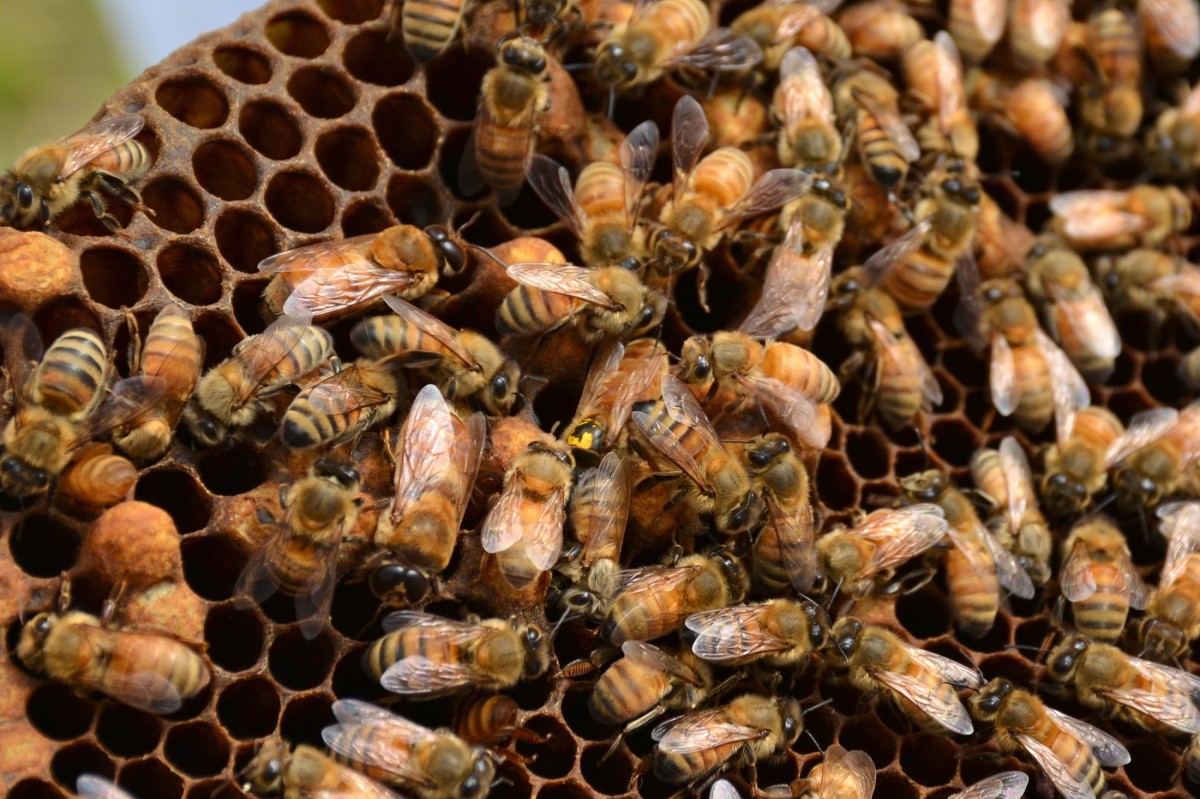
By Janan Lenzy, NFU Intern Bees contribute to the economy and health of the environment. In addition to their notoriety for honey production, bees also provide the versatile substance known as beeswax, and they are imperative to 30 percent of the world’s crop production, pollinating many fruit, vegetable, and flower species, as well as 90 percent … Read More